In this article
中文阅读简体中文版
Key takeaways
- Start with the customer: pick the buying question each creator should answer, and one action you can track.
- Agree deliverables in writing: number of notes, format, posting window, fee, expenses, reporting date and any reuse rights.
- Brief facts, not opinions: give creators the branch, prices and dates, and let them describe their own experience.
- Disclose hosted visits: Singapore's ASAS guidance covers free meals and products given to solicit a review.
- Measure against the goal: views show reach, saves and questions show interest, bookings and redeemed codes show action.
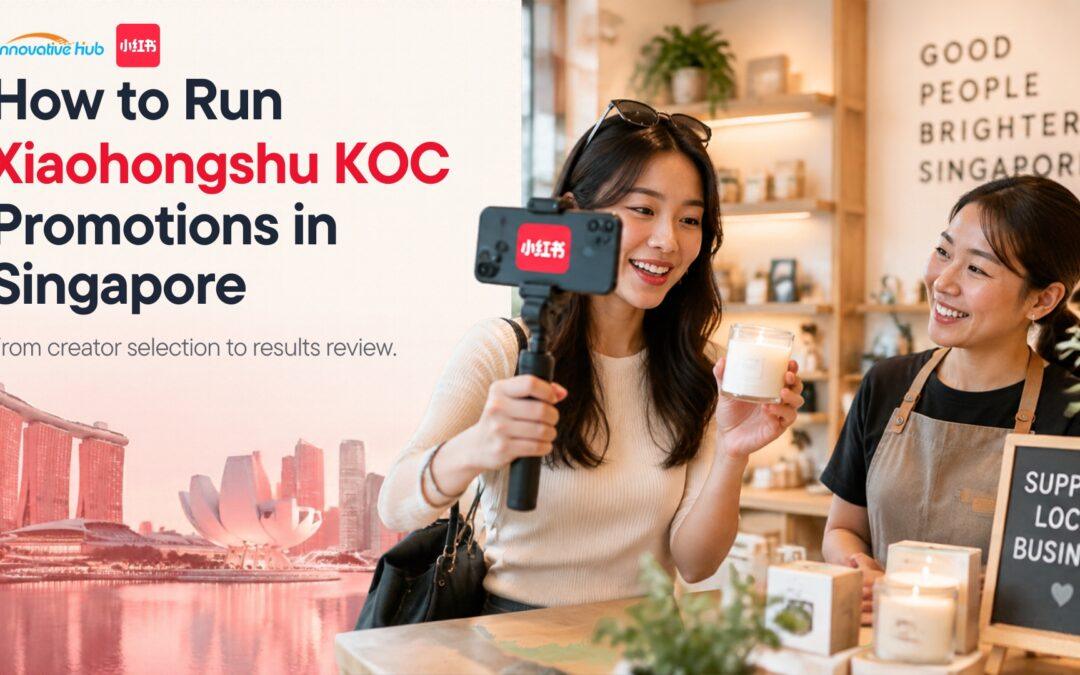
How do you run a Xiaohongshu KOC campaign in Singapore? A Xiaohongshu (RedNote) KOC campaign brings a business together with creators who try a product or visit an outlet, then publish first-hand photo or video notes on their own accounts. KOC stands for Key Opinion Consumer: an everyday customer whose reviews other shoppers trust. If you are still deciding whether KOCs suit your brand, start with why KOC marketing matters for reaching Chinese consumers. This guide covers the next question: what do you prepare, and what should you receive?
Step 1: Choose the customer and the occasion
A Tanjong Pagar restaurant wants more weekday lunch customers. Its reader wants to know whether two colleagues can eat well and still get back to the office on time. A Changi Airport retailer serves travellers deciding what to buy before departure. Same platform, very different questions.
Write down three things before you contact any creator: the reader, the question they are asking, and one action you can track. For a lunch campaign, reception could note every completed booking that mentions Xiaohongshu.
Step 2: Agree what each creator will deliver
Sending a gift with no posting commitment leaves publication up to the recipient. For a hosted visit or a paid collaboration, agree these points in writing:
- Number of notes and format (photo note or video)
- Posting window
- Fee, and which expenses you cover
- When the creator sends results, and which numbers
- Reuse rights: if you want to repost the video on Instagram or run it as an ad, agree the channels, duration and usage fee up front
Pugongying (蒲公英) is Xiaohongshu's official platform for brand and creator collaborations. If an agency runs your campaign, ask which collaboration route it will use and what label the notes will carry, and confirm the option is available for your brand and the creators you have chosen before you book.
Step 3: Check who actually reads the creator
Ask each creator for recent posts about the same buying occasion, plus audience location data where available. Then read the comments. Questions about lunch queues in the CBD point to an office crowd. Questions about which terminal a shop is in point to travellers.
Look at several similar posts, so one viral note does not decide your budget. Then give each shortlisted creator a different question to explore, so the notes do not repeat each other.
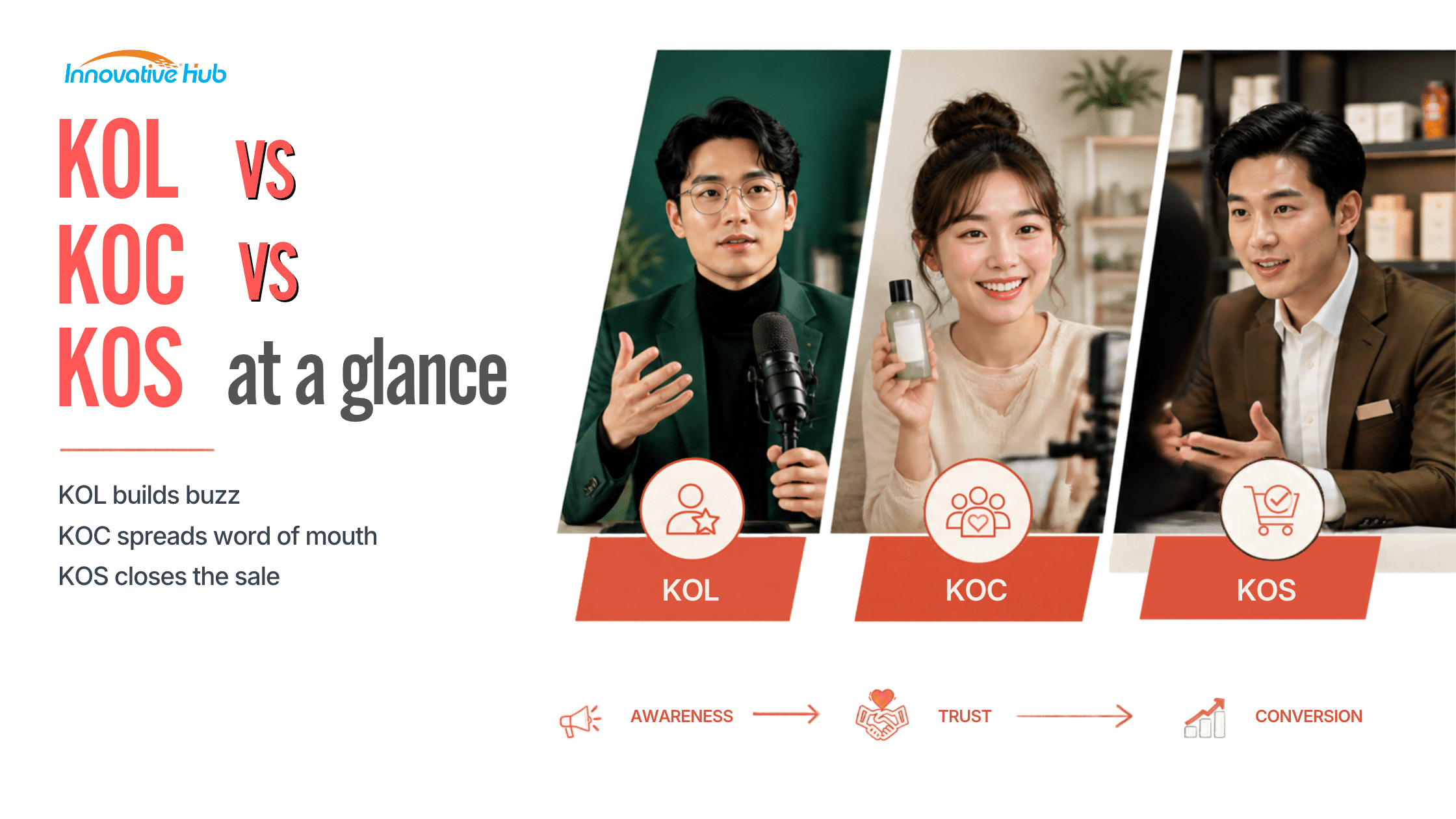
KOL, KOC or KOS? If you are deciding between bigger influencers and everyday creators, see KOL vs KOC vs KOS.
Step 4: Brief the experience, not the opinion
Supply the facts: the right branch, nearest MRT exit, menu, prices, service charge and GST, and the offer dates. Then frame one task around the customer's question. For example:
Sample brief: "Visit on a weekday lunchtime. Show what two people ordered and the bill, and tell readers how long lunch took."
The visit should be timed. The opinion belongs to the creator. Readers trust a note that shows real portions and a real bill far more than one that repeats your menu copy.
Step 5: Arrange the visit and disclose the relationship
Brief the outlet manager, confirm what the invitation covers, and check the featured dish will still be on the menu when readers see the note. For a product trial, give the creator enough time to actually use it.
Singapore's Advertising Standards Authority (ASAS) guidance on social media disclosure applies when a brand provides a product or service at its own expense to get a review, and it names food tastings and product launches as examples. Disclose as early as possible: in the image or caption of a photo note, and visibly within a video. Describe the real arrangement, for example "This meal was hosted by the restaurant" or "Paid partnership with [brand]".
Step 6: Check the facts and answer readers
Before the note goes live, check the branch, prices, availability, booking method and disclosure wording. Leave the creator's judgement intact.
After it goes live, have someone who knows the outlet answer comments. If several readers ask whether the lunch set is available on weekends, reply on the original note, then add the confirmed hours to the next creator brief.
Step 7: Measure what the campaign set out to do
Record each note's URL, publication date and content angle. Compare notes at the same age, for example seven days after posting, and keep paid promotion separate from organic results.
| Metric | What it tells you |
|---|---|
| Views and impressions | How many people the note reached |
| Saves and specific questions | Interest: readers plan to come back to it |
| Bookings, store visits, redeemed codes | Action you can tie to the campaign |
Remove duplicates, such as one customer who both booked and redeemed a code, and report sales with an unknown source as a separate line rather than crediting them to the campaign.
What Famous Amos Singapore tells us
For Famous Amos Singapore, Innovative Hub reports that two Changi Airport souvenir notes on the brand account received 123 and 82 likes, and a pinned note listing outlet addresses recorded 175 engagements. The wider KOC campaign recorded 16,892 engagements across 60 creator posts (case study, case index).
For a retailer, those brand posts suggest a question worth putting into a creator brief: "Where can I buy this before my flight?"
These figures come from separate pieces of work: brand account notes and creator posts. The published results do not include sales attributed to the campaign. Read the full Famous Amos Xiaohongshu case study.
How much does a Xiaohongshu KOC campaign cost in Singapore?
Innovative Hub's Xiaohongshu packages start from S$500 before GST (see our Xiaohongshu service). A KOC campaign is quoted on the number of creators and notes, the visit or product each creator receives, and any account management or ads you add. Timing depends on how many creators you book, so we confirm the schedule in your quote. Your ad budget is paid to the platform and is separate from our fee.
When you compare quotes, check what each one includes:
- Number of committed posts
- Hosting or product costs
- Management and reporting
- Usage rights for reposting or ads
- Paid promotion of the notes
Xiaohongshu KOC Campaign FAQs
What is a Xiaohongshu KOC campaign?
It is a campaign where a business invites everyday creators (Key Opinion Consumers) to try a product or visit an outlet, and they publish first-hand photo or video notes about it on their own Xiaohongshu accounts.
How do I choose KOCs for a Singapore campaign?
Ask for recent posts about the same buying occasion and audience location data where available, then read the comments to see who is asking questions. Judge each creator on several similar posts, not one viral note.
What should a KOC store visit brief include?
The branch, nearest MRT exit, menu, prices, extra charges and offer dates, plus one task built around a customer question, such as how long a weekday lunch for two takes. The creator's opinion should stay their own.
Do Xiaohongshu creators in Singapore have to disclose a free meal?
ASAS guidance on social media disclosure covers products or services a brand provides at its own expense to get a review, including food tastings. Disclose early, in the image or caption of a photo note and visibly in a video.
How do I measure a Xiaohongshu KOC campaign?
Record each note's URL, date and angle, and compare notes at the same age. Views show reach, saves and questions show interest, and bookings or redeemed codes show action. Keep paid and organic results separate.
How much does a Xiaohongshu KOC store visit cost in Singapore?
Innovative Hub's Xiaohongshu packages start from S$500 before GST. The price of a KOC store-visit campaign depends on the number of creators and notes and on what each creator receives, and we confirm the timeline in your quote. Compare posts, management, usage rights and paid promotion across quotes.
Sources
- Xiaohongshu Pugongying (蒲公英): official creator collaboration platform
- ASAS: Annex B, guidance notes for interactive marketing communication and social media
- Innovative Hub: Famous Amos Xiaohongshu case study
- Innovative Hub: case studies (Famous Amos KOC results)
- Innovative Hub: Xiaohongshu marketing service (packages from S$500)
General information, checked on 27 Nov 2026. Platform features, disclosure guidance and prices change, so confirm the current terms before you book. Famous Amos figures are from Innovative Hub's published case study. Innovative Hub prices are from our Xiaohongshu service page.
Planning your first Xiaohongshu KOC campaign?
Bring one question your customers ask before they buy. Innovative Hub plans creator shortlists, briefs and reporting for Singapore brands on Xiaohongshu.
Talk to our Xiaohongshu teamOr email enquiry@innovativehub.com.sg · See our Xiaohongshu marketing services
About the author
This article was written by Holiday Leong of Innovative Hub. Innovative Hub is a Singapore digital marketing agency specialising in Xiaohongshu, Dianping, TikTok and SEO marketing. See our Xiaohongshu marketing services.
Last updated: 27 Nov 2026